Consumer Practice Alert #1
Consumer Demographic: General Public
Topic of Alert: What not to Recycle
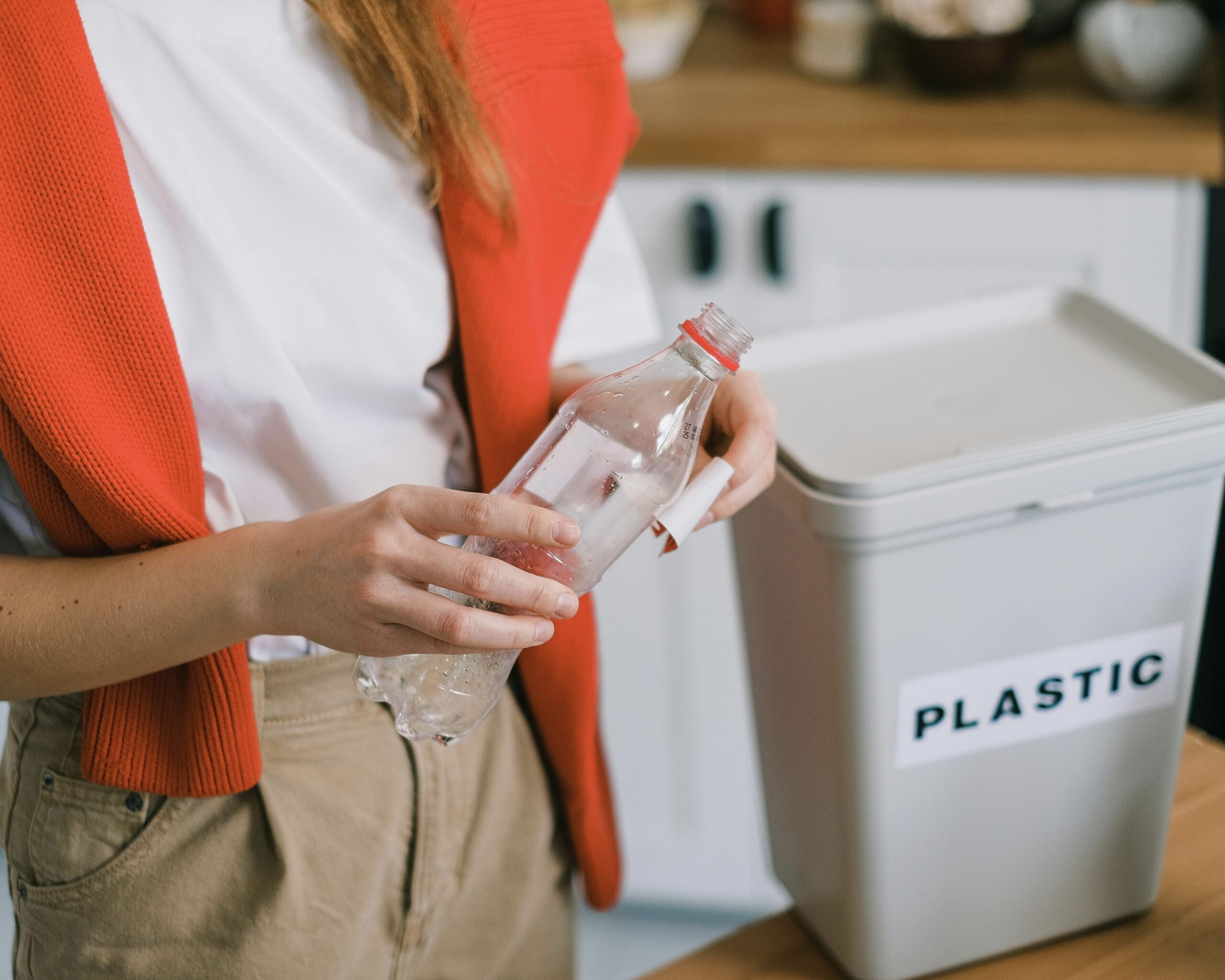
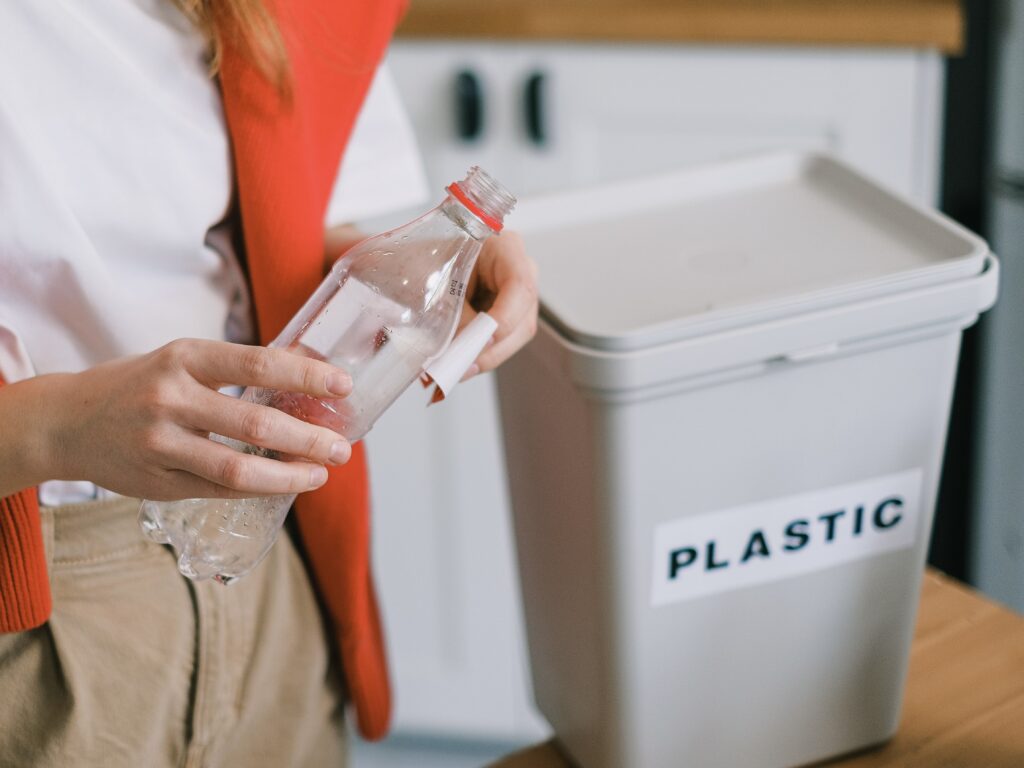
Remove plastic thin-film labels from bottles. Thin-film plastics are often found as labels on bottles, on containers, or as stray items.
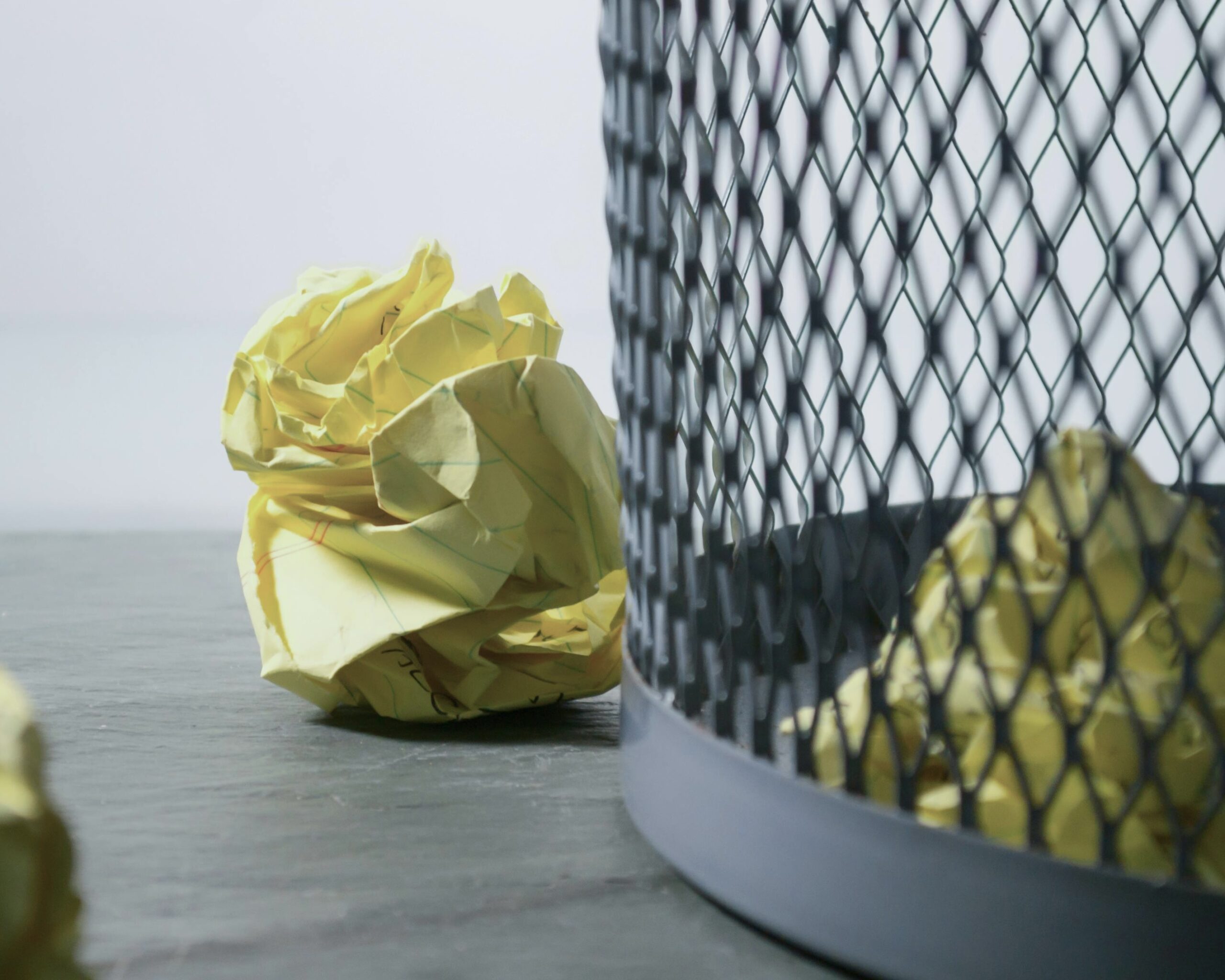
Avoid a tendency to over-recycle. Smaller crumples of paper or plastics, such as the size of a label wrap, are less likely to be recycled.
Consumer Practice Alert #2
Consumer Demographic: General Public
Topic of Alert: Where to Recycle
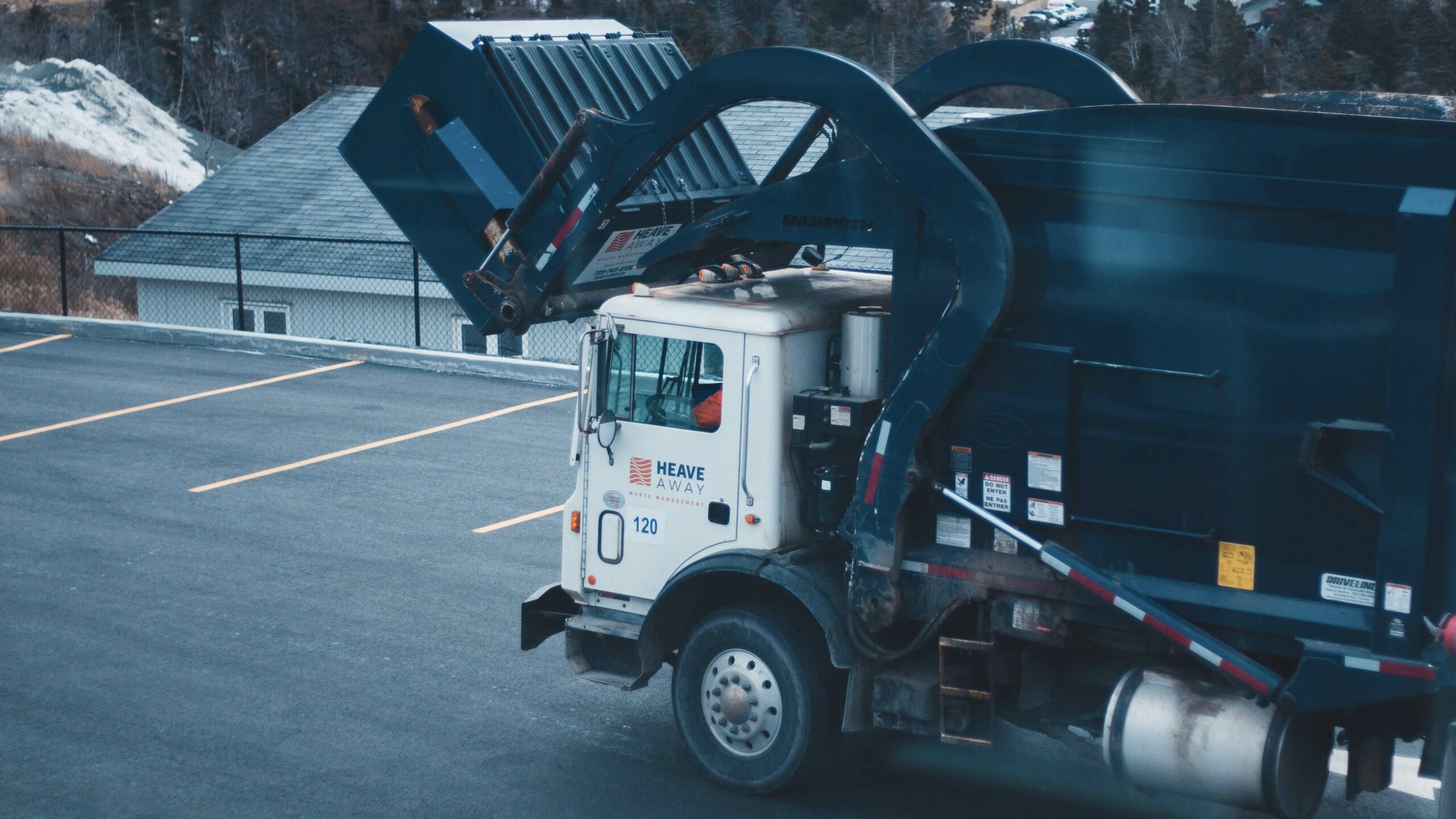
Consider the practices of your local Material Recovery Facility or MRF, where your personal recycle bin is delivered by recycling trucks. Some items that are recyclable materials may not be readily processed by your MRF, and are ultimately sent to a landfill.
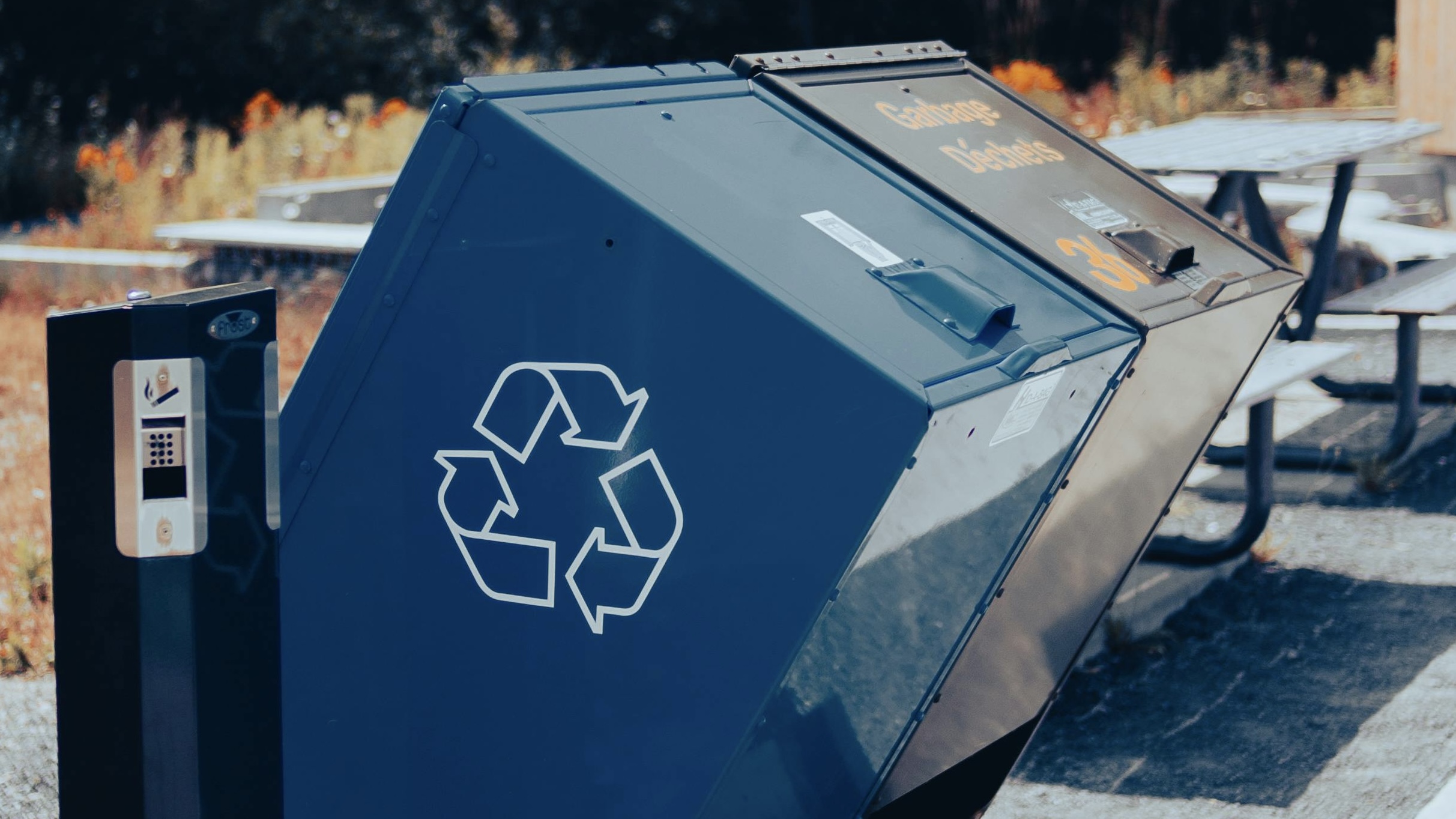
Consider local public store bins or local community bins that accept items your MRF won’t recycle from your personal bin. Thinner plastic bags from your local public stores are often colored with dyes and branded. These branded store bags are an example of items that are often not recycled by your neighborhood MRF, although they would be expected to be recycled via your local public store recycle bins.
Consumer Practice Alert #3
Consumer Demographic: General Public
Topic of Alert: How to Recycle
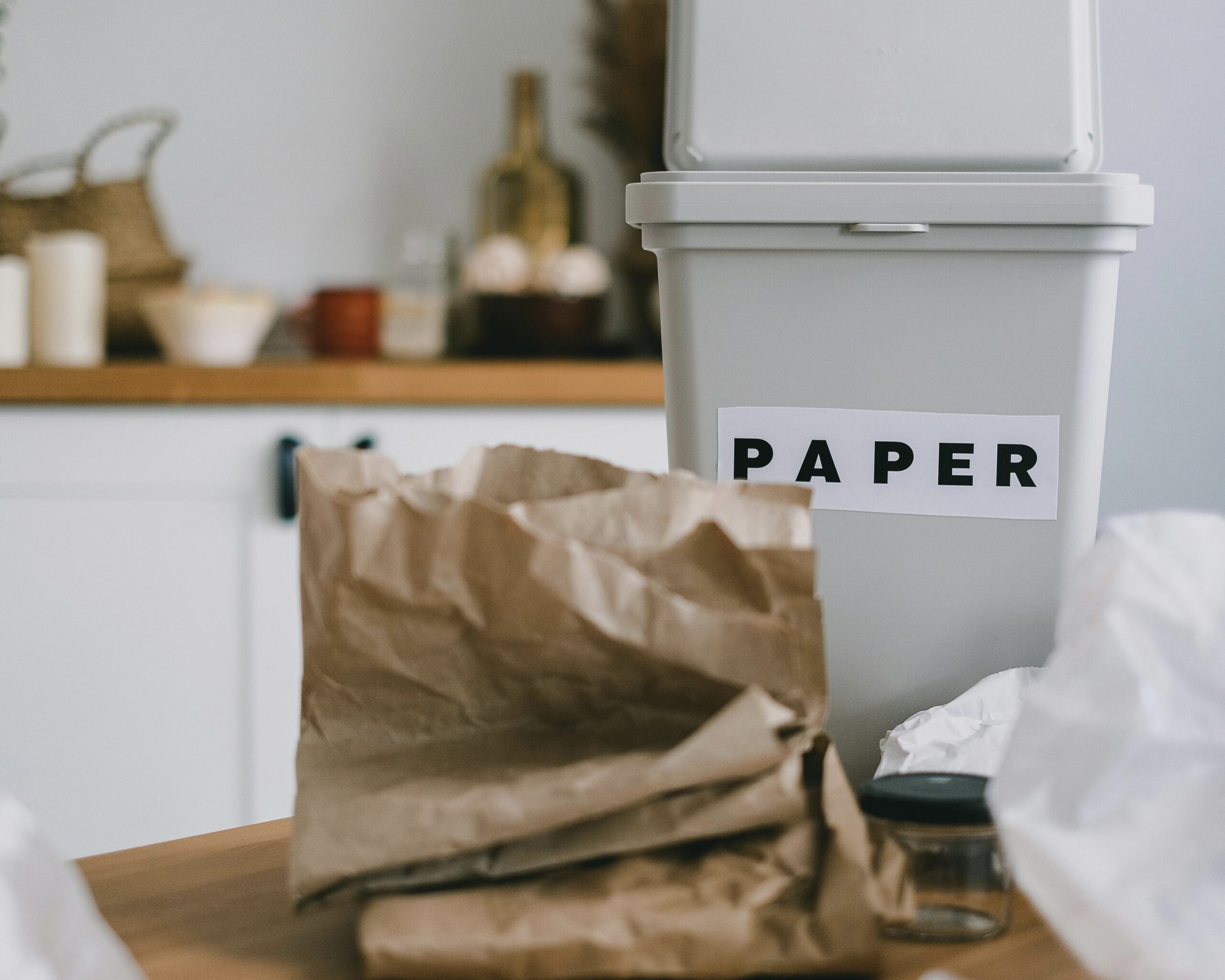
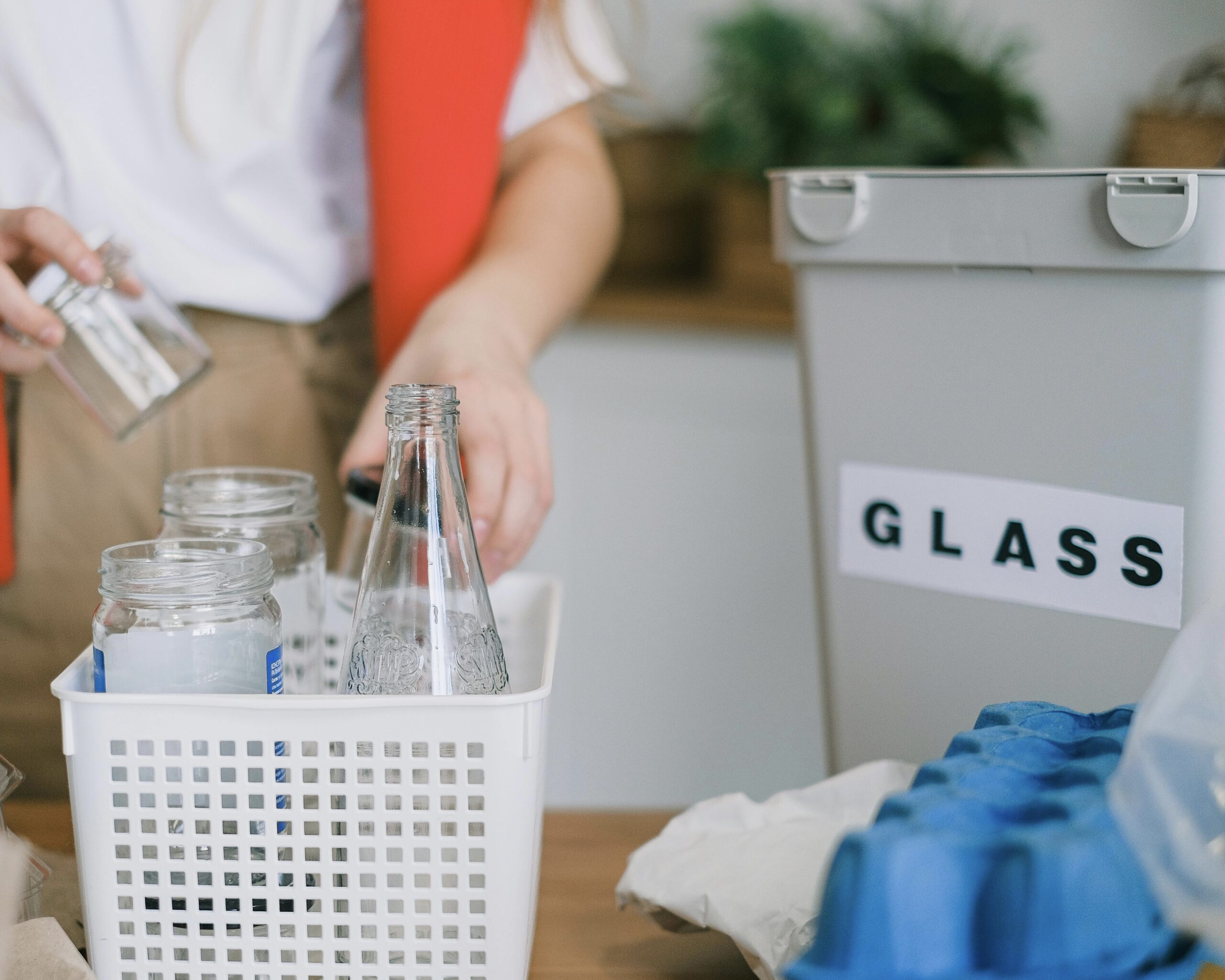
Reduce, reuse, and recycle. Reduce your waste. Reuse items, such as cardboard boxes and glass bottles, before electing to recycle them. Recycle items that you’ve decided should be discarded, as long as they would likely be recycled by your recycle facility. Choose consumer products with less packaging. Manage your waste. Empty and rinse your recyclables.
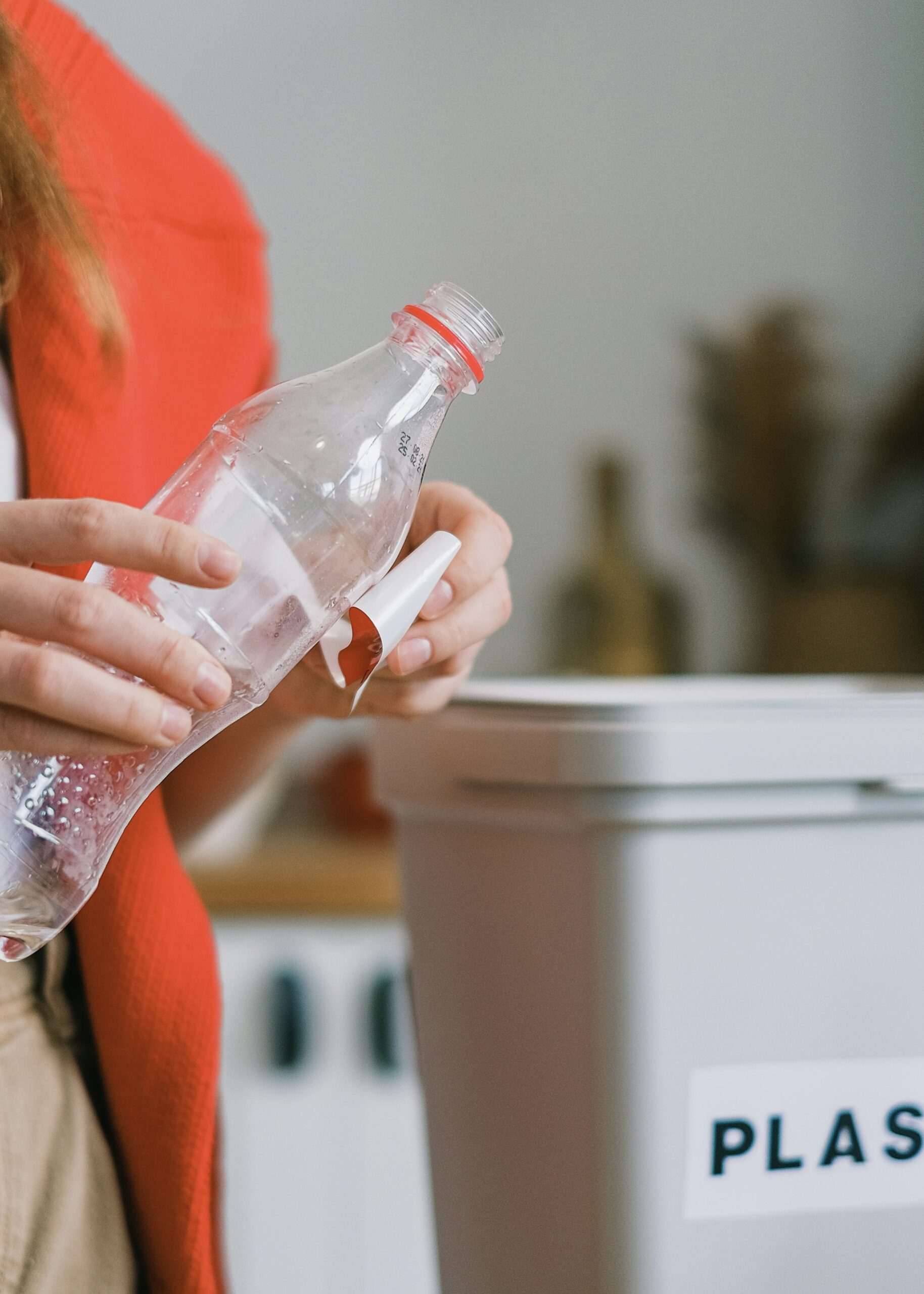
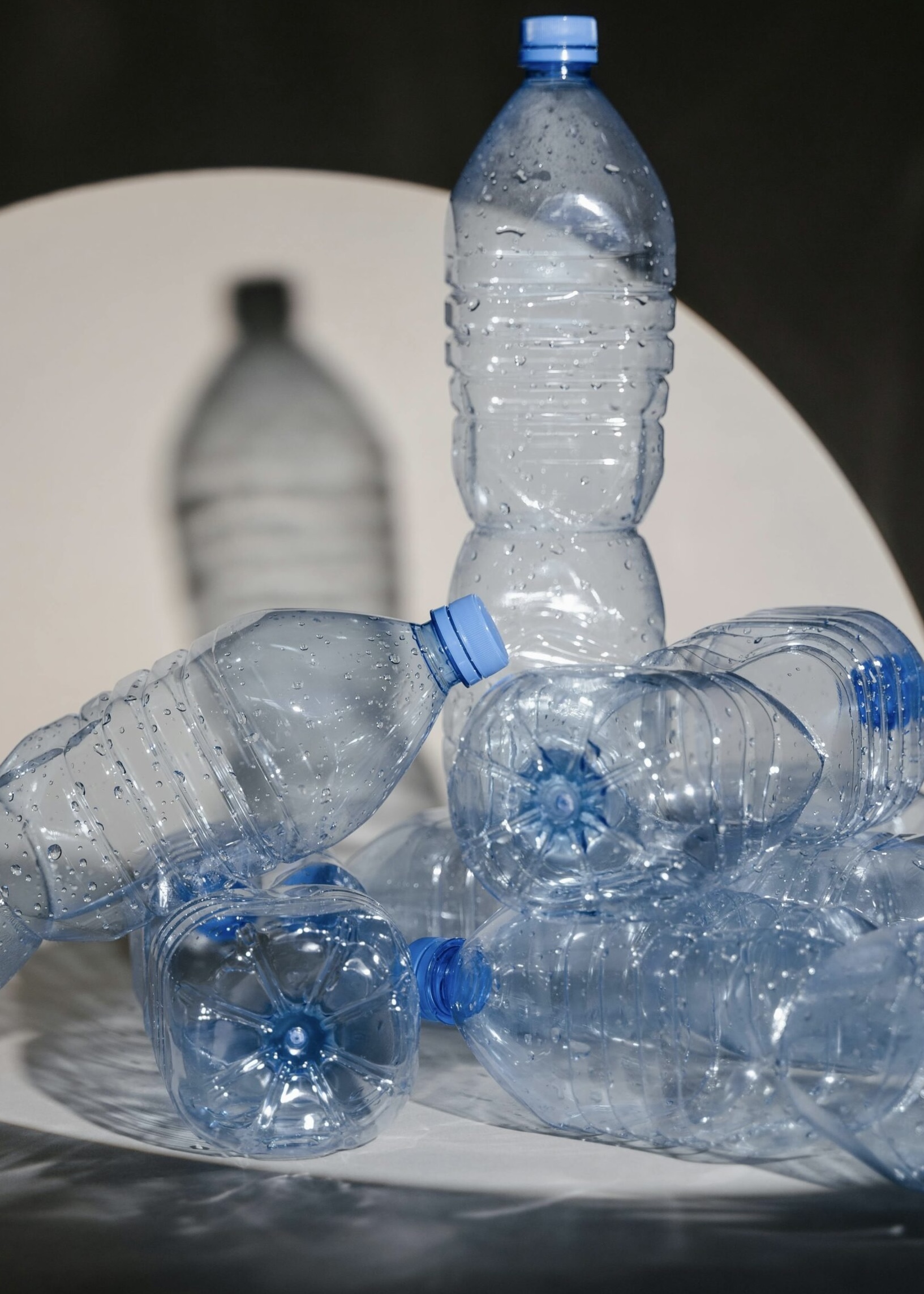
For plastic bottles, crushing the container keeps it from rolling off the sorting machine’s conveyor belt, while screwing the cap back on tightly prevents it from bursting off or falling out, after which it becomes too small to sort and recycle. Conversely, remove loose caps and lids from glass bottles and jars. Collect loose metal caps inside an empty tin can to prevent sorting loss, but discard loose plastic tops from glass containers into the regular trash as they cannot be recycled loose unless you accumulate them inside a larger, identical plastic container to meet processing size thresholds.
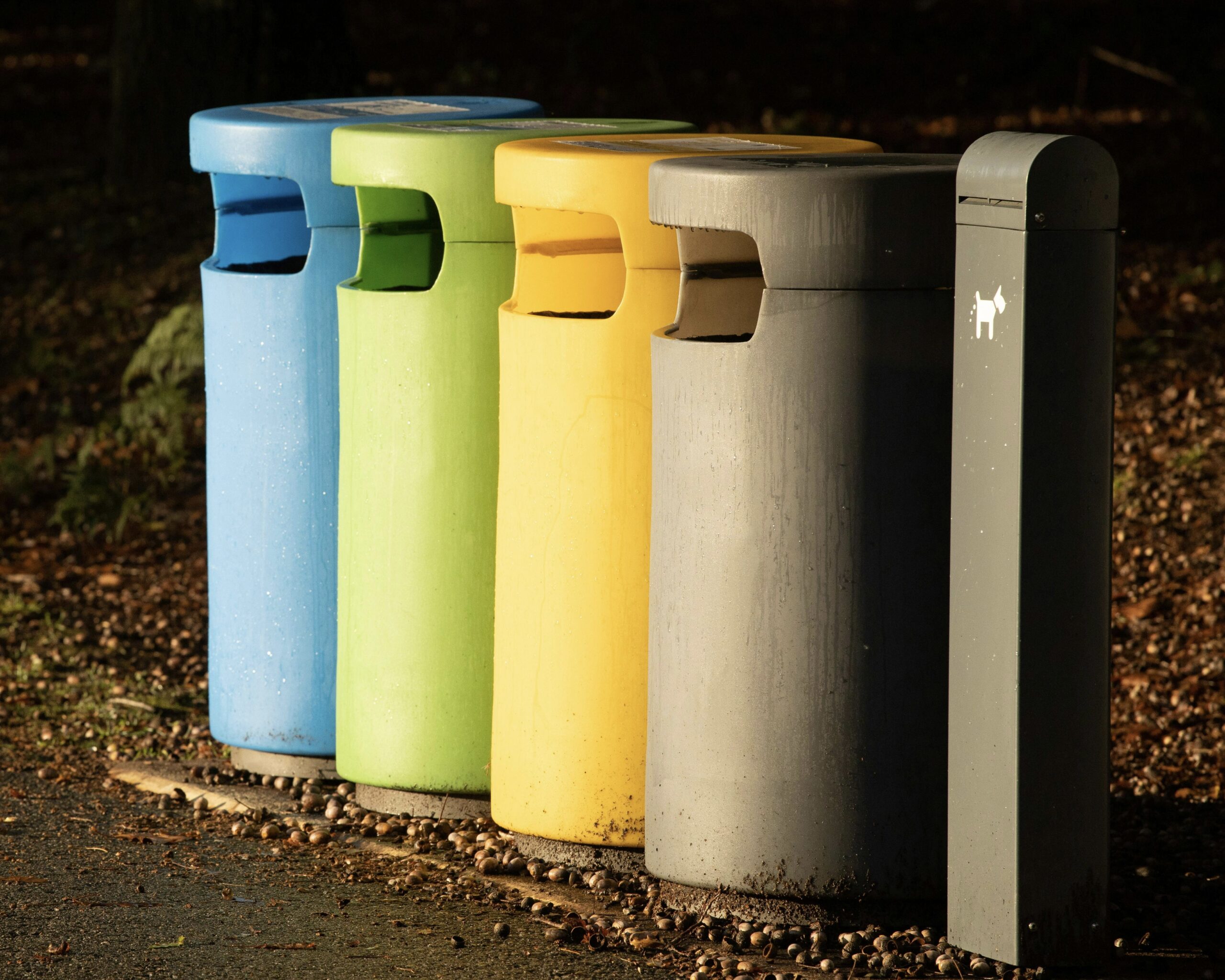
Ensure your recyclables are discarded directly into dedicated recycle bins. Don’t accumulate recyclables in bags before discarding them in recycle bins.
Consumer Practice Alert #4
Consumer Demographic: General Public
Topic of Alert: Tainted Recyclables
Identify hidden components in plastic or other recyclable materials, such as heavy metal staples in cardboard or the metal coil springs inside pump dispensers often found on plastic lotion, soap, and cosmetics bottles.
Consider removing these incompatible parts before recycling the main material. For example, you can detach a tainted plastic pump to save the plastic bottle, or you can go a step further to dismantle the plastic pump, remove the tiny metal coil, and maximize how much plastic you successfully recycle.
Automated sorting scanners often misidentify and reject an entire plastic bottle if the metal coil spring remains inside it. If it does slip through, the metal fragments melt into the plastic flakes, rendering entire batches of recycled resin useless for making new products.
Purchase from brands utilizing all-plastic “mono-material” pumps, or select brands that offer refillable glass, metal, and other durable dispensers to eliminate single-use pump waste entirely.



Consumer Practice Alert #5
Consumer Demographic: General Public
Topic of Alert: Branded Plastics
Isolate flexible plastic films and wraps that are used for branding from your standard curbside recycling stream. Residential automated sorting facilities cannot process thin-film plastic. It wraps around rotating sorting gears, jams machinery, and forces facilities to landfill the entire contaminated batch.
Practice the “bag-in-a-bag” collection method at home. Gather items like clean grocery bags, bubble wrap, and clear plastic wrap inside one large plastic bag. Ensure you discard crinkly, heavily inked multi-layer branded packages, like snack pouches, directly into the trash, as their bonded material layers cannot be separated.
Deliver your bundled plastic film exclusively to dedicated retail store drop-off bins. Bypassing your personal curbside bin and taking consolidated film directly to grocery or big-box store collection points ensures the material bypasses standard machinery and goes directly to specialized film processors.
Traditional mechanical recycling often fails to exceed 10% efficiency, with many plastics ending up in landfills or incinerators. Chemical and biological recycling methods, such as purification and microbial breakdown, are emerging to create high-value recyclable materials that can enable a circular economy. We should urge corporations and brands to adopt these planet-saving practices if they continue to prefer to proliferate plastic. Please read up on Publication #6, Corporate Practice.
Consumer Practice Alert #6
Consumer Demographic: General Public
Topic of Alert: Single-Use Utensils, Cups, and Straws
Reduce your use of single-use plastic cutlery, cups, and straws. These low-value polystyrene and polypropylene items are inherently difficult to process through automated recycling systems. Utilizing durable and multi-use items is best practice. Selecting compostable wooden, bamboo, or paper single-use alternatives is also advised because they decompose naturally without generating toxic microplastics.
Avoid discarding plastic utensils, cups, and straws into your curbside recycling bin. Due to their thin or lightweight shapes, loose cutlery and straws fall through sorting grates while cups crush flat and mimic paper, stalling rotating facility machinery, sending entire processing batches to the landfill. Similarly, thin plastic coffee cup lids are crushed flat during sorting and thus misidentified as paper, resulting in immediate landfill disposal.
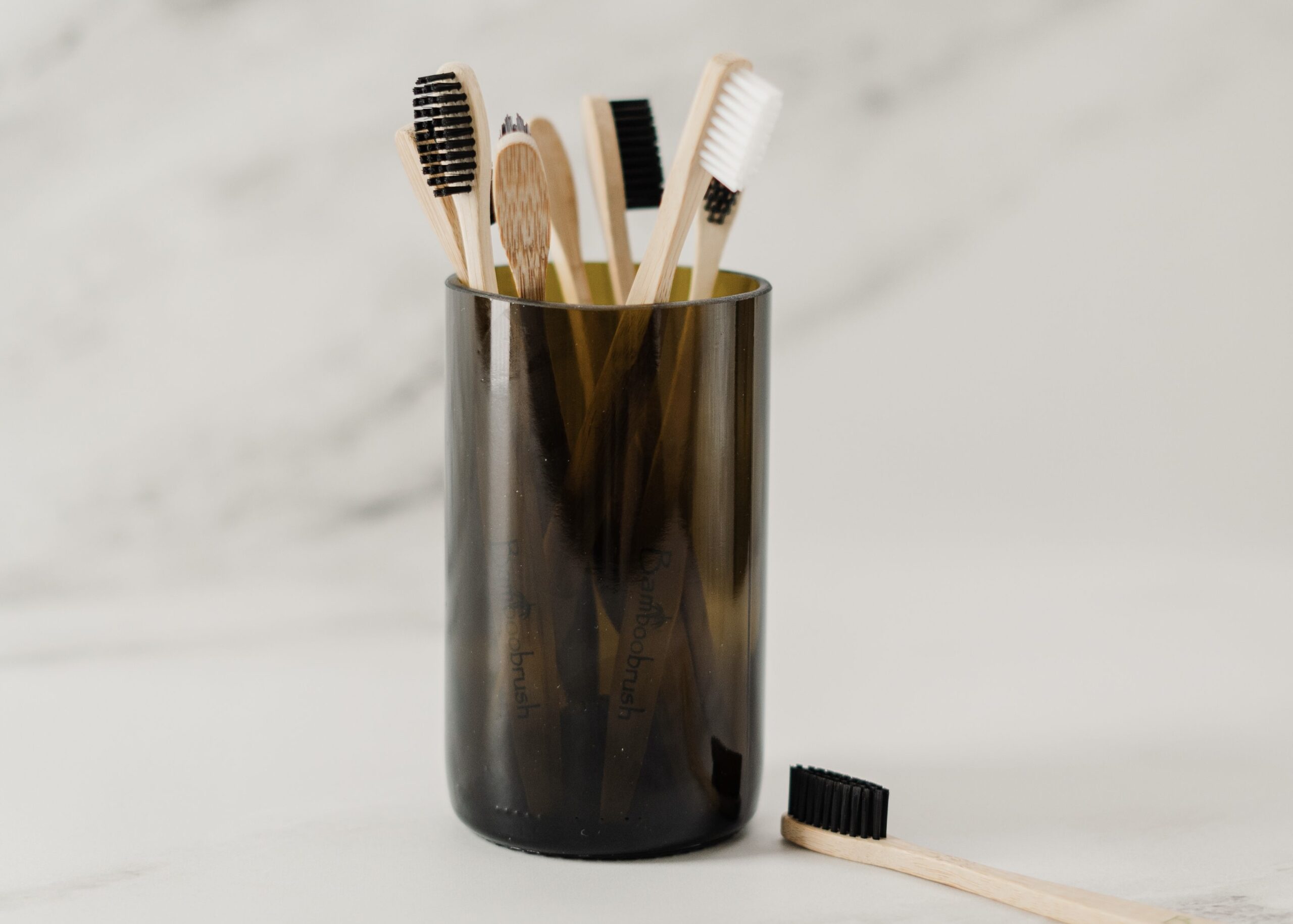
Consolidate rinsed-out single-use plastics and detached coffee cup lids inside a larger, rigid container made of the exact same plastic type before recycling. Otherwise, you should discard them into the regular trash and waste the opportunity to recycle them. Similarly, never throw plastic toothbrushes into your standard recycling bins, as their complex composition permanently binds rigid handles, rubber grips, nylon bristles, and hidden metal bristle-staples together. These fused, multi-material objects cannot be separated by automated processing plants and must be diverted to specialized mail-in oral care recycling programs or discarded directly into the regular trash bin.