The phase-out of non-vegan inputs is more crucial than the widespread adoption of new vegan creations that would be expected to ‘advance’ veganism.
Additives of the animal-derived variety are typically what transform naturally vegan commodities into non-vegan products. Many of these added ingredients have become culturally adopted and are therefore relevant in many communities.

In the case of foods, humans may have evolved to more easily digest these ingredients. Dairy milk, for instance, is often an unnecessary ingredient that taints would-be vegan products.
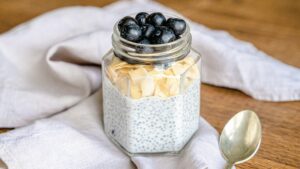
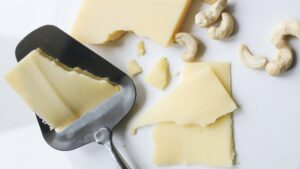
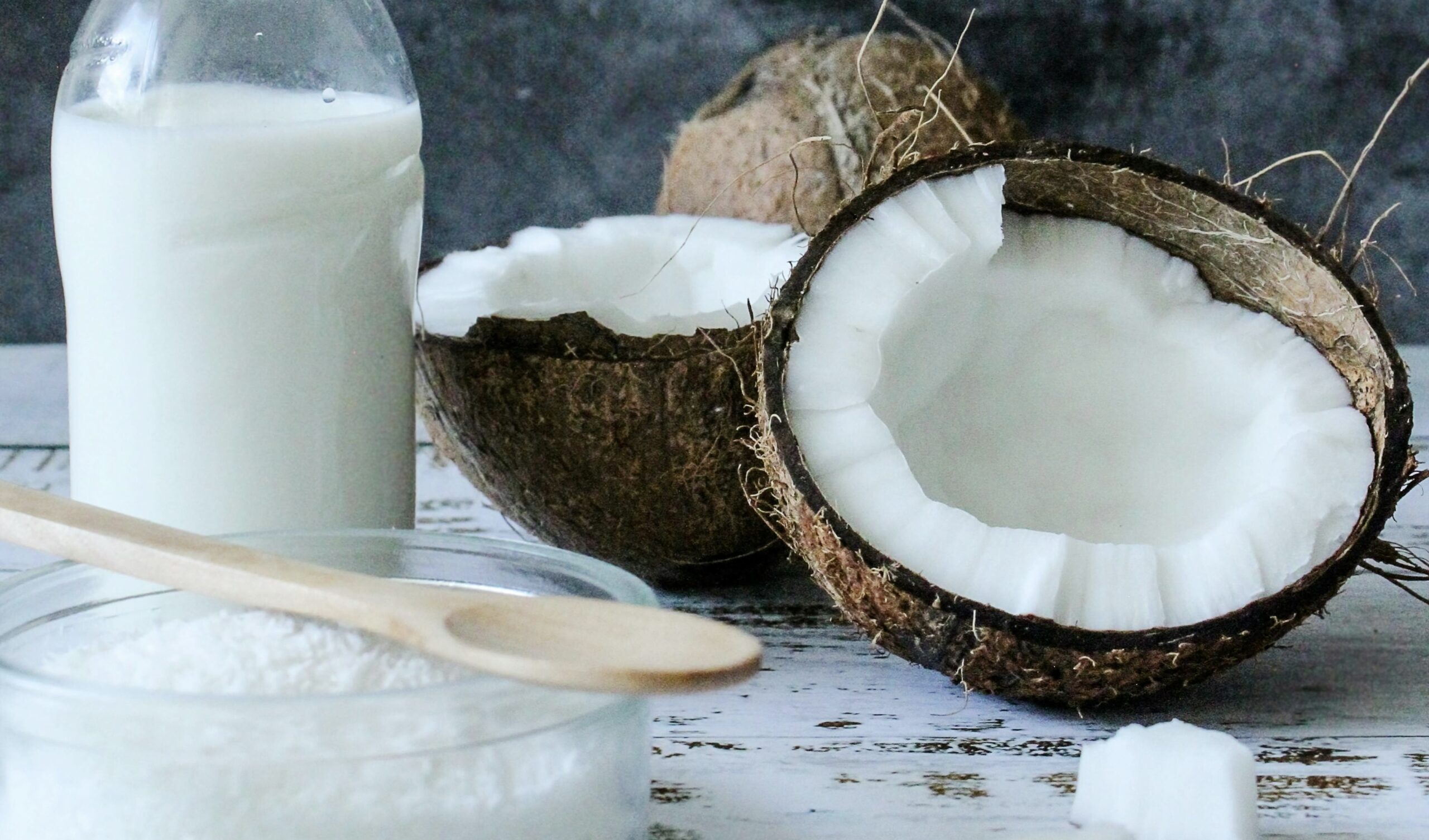
These end products are often preserved, and so the milk-based ingredient is not fresh milk, is wholly avoidable, and is entirely replaceable. Commodities such as many variations of nuts, including almonds and cashews, have become very popular for vegan milks and cheeses, respectively.

Commodities such as cashews and almonds, in order to become what they are today, have been engineered via selective breeding by humans. This is largely the same way that cows have been selectively bred for milk production and for genetic integrity based on market-driven standards.
Humans might have continued their initial practice of ‘gathering’ nuts and fruits for sustenance if they hadn’t developed the practice of scavenging remnants of carcasses left by other predators. This scavenging evolved towards a preference for ‘spoils’ from the practice of hunting.
Humans developed tools, such as stone hammers, to better scavenge carcasses. With the development of tools such as spears, humans became capable hunters, and living prey became a more reliable food supply.
Exploiting the tools that can be used to extract milks from almonds, cashews, soybeans, and oats is now common practice at a commercial scale. The process of farming dairy animals now seems antiquated as alternatives improve.
Leather goods were crafted by artisans ages ago due to a need for lasting products amid scarce resources. Today, leather can be deemed a purely luxury good.
Pleather is often inexpensive to consumers and is a manufactured synthetic material composed of plastics rather than animal hides. Although pleather cheaply attempts to imitate leather, it provides direct evidence of the naturally emerging obsolescence of leather as technology improves.

There are ‘alternatives to leather,’ beyond pleather, that attempt to closely imitate the comfort, durability, and appeal of cured animal leather material. These high-quality leather alternatives are manufactured without inputs from the end of an animal’s life cycle.
Business profitability can increase from decreased inputs, such as the omission of non-core ingredients. One omitted ingredient can circumvent certain regulations. The phase-out of superfluous ingredients, such as lactose, which can be allergy-inducing, often improves the marketability of products.


The inclusion of these often ‘unnecessary ingredients’ is tantamount to a frivolous practice that attempts to appeal to coalesced perceptions of ‘premium ingredients.’ These perceptions are imposed upon consumers through the practice of business marketing strategies rather than a naturally emerging substantive conclusion from the populace.
Innovations such as premium alternatives to leather should, as costs decrease and as scale increases, render animal-based leather obsolete.

The Vegan Digest (TVD) postulates that the phase-out of unnecessary animal-derived inputs and their related costs would accelerate the transition away from humanity’s dependence on livestock. This sort of phase-out also serves to advance cruelty-free and eco-friendly lifestyles as much as entirely new innovations would.