The Vegan Digest (TVD) examined Google’s “Gemini” AI-powered search engine. The goal was to understand why plant-based proteins, especially from soybeans (soy) and peas, are seen as more environmentally sustainable. TVD also considered whether fertilizer and bee-based pollination are nearing their cost-benefit balance.
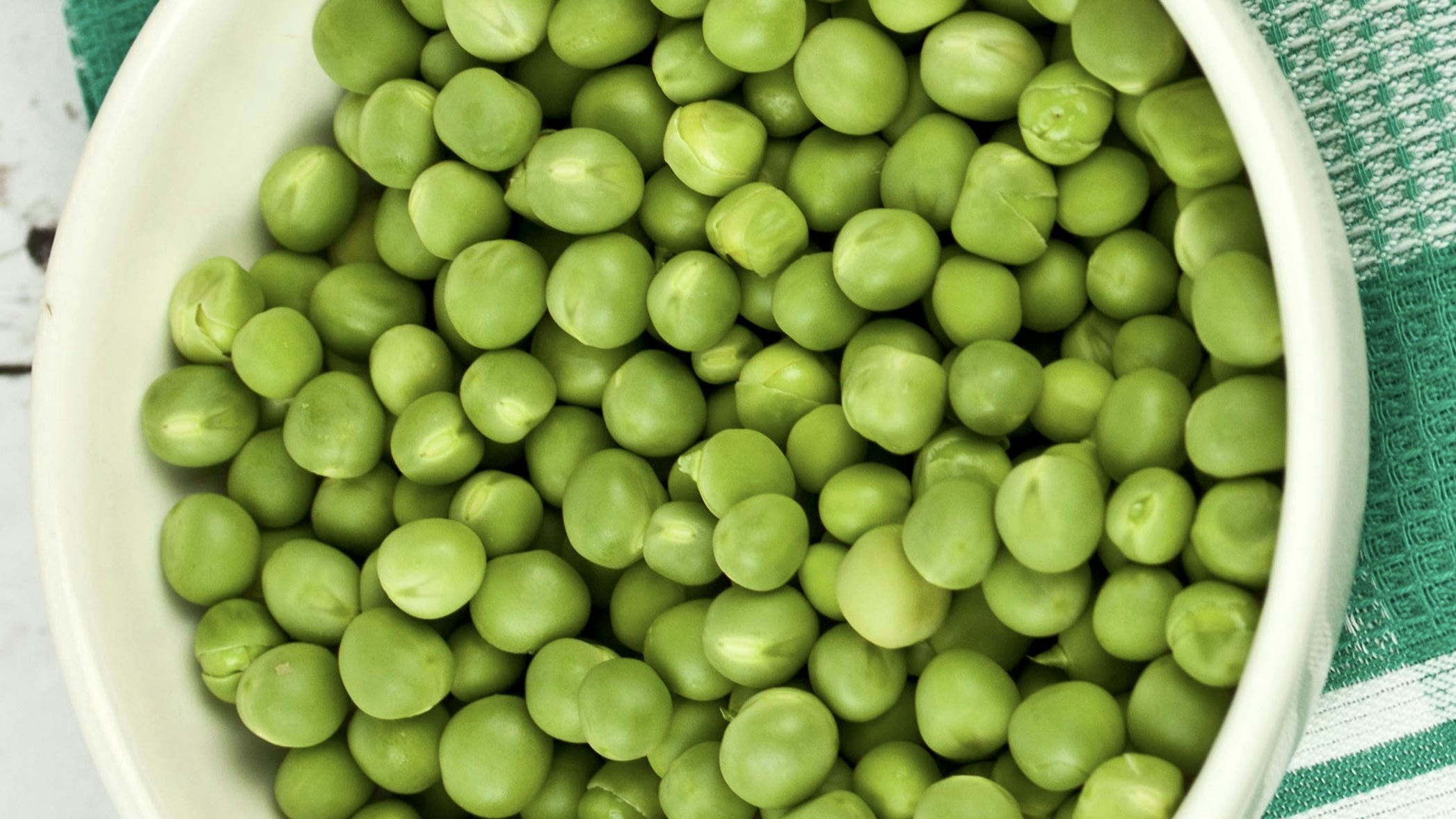
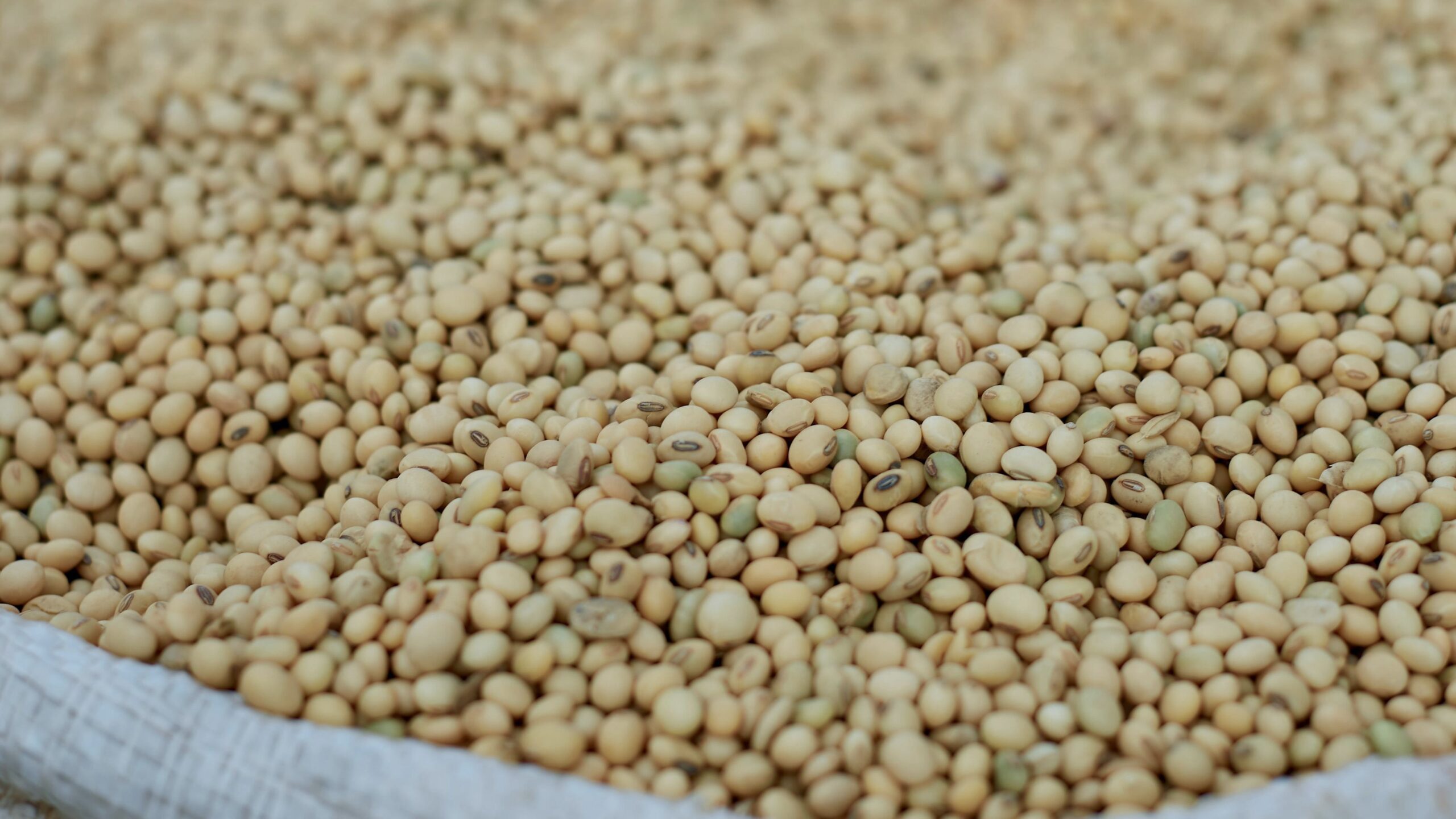
Peas and soybeans are legumes. They use nitrogen fixation, growing small nodules on their roots with helpful Rhizobia bacteria. Rhizobia turn airborne nitrogen into nutrients for the plants. Because peas and soy make their own nitrogen-based nutrients, they rarely need synthetic nitrogen-based fertilizer, which other crops like corn or wheat use. Soy and peas are preferred ingredients for plant-based meat alternatives.
Before 1910, farmers were limited by natural soil nitrogen and available fertilizer, which limited food production. The Haber-Bosch process allowed using extreme heat and high pressure to get nitrogen gas from the air and combine it with hydrogen gas to create ammonia. Ammonia is a highly concentrated and efficient nitrogen source, essential for plant life. With the Haber-Bosch process, fertilizer production increased, along with crop and livestock production. Without it, there wouldn’t be enough feed to support the approximately 1.5 billion cows and 75 billion chickens slaughtered each year.
The Haber-Bosch process uses a lot of energy, creates significant carbon emissions, and causes unused nitrogen to build up in fertilized soil. This leads to runoff into water streams and ocean pollution. Soybeans are about one-third protein, and peas are about one-quarter protein. Global production is approximately 350 million tonnes of soy and 15 million tonnes of peas per year. Over 70% of the world’s soy feeds livestock like cows, pigs, and chickens. As meat demand rises, so does the need for more soy. This demand drives deforestation in South America.
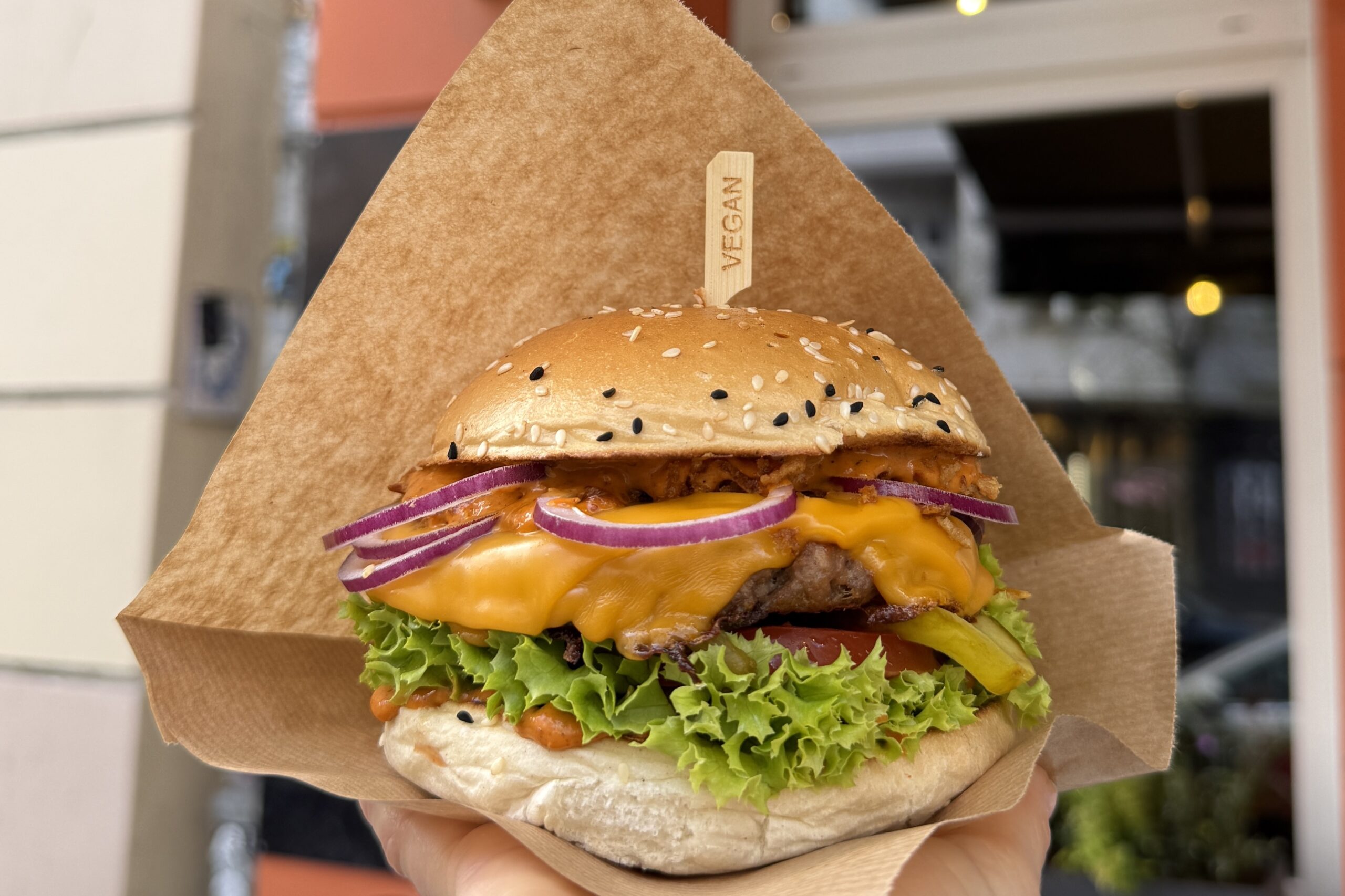
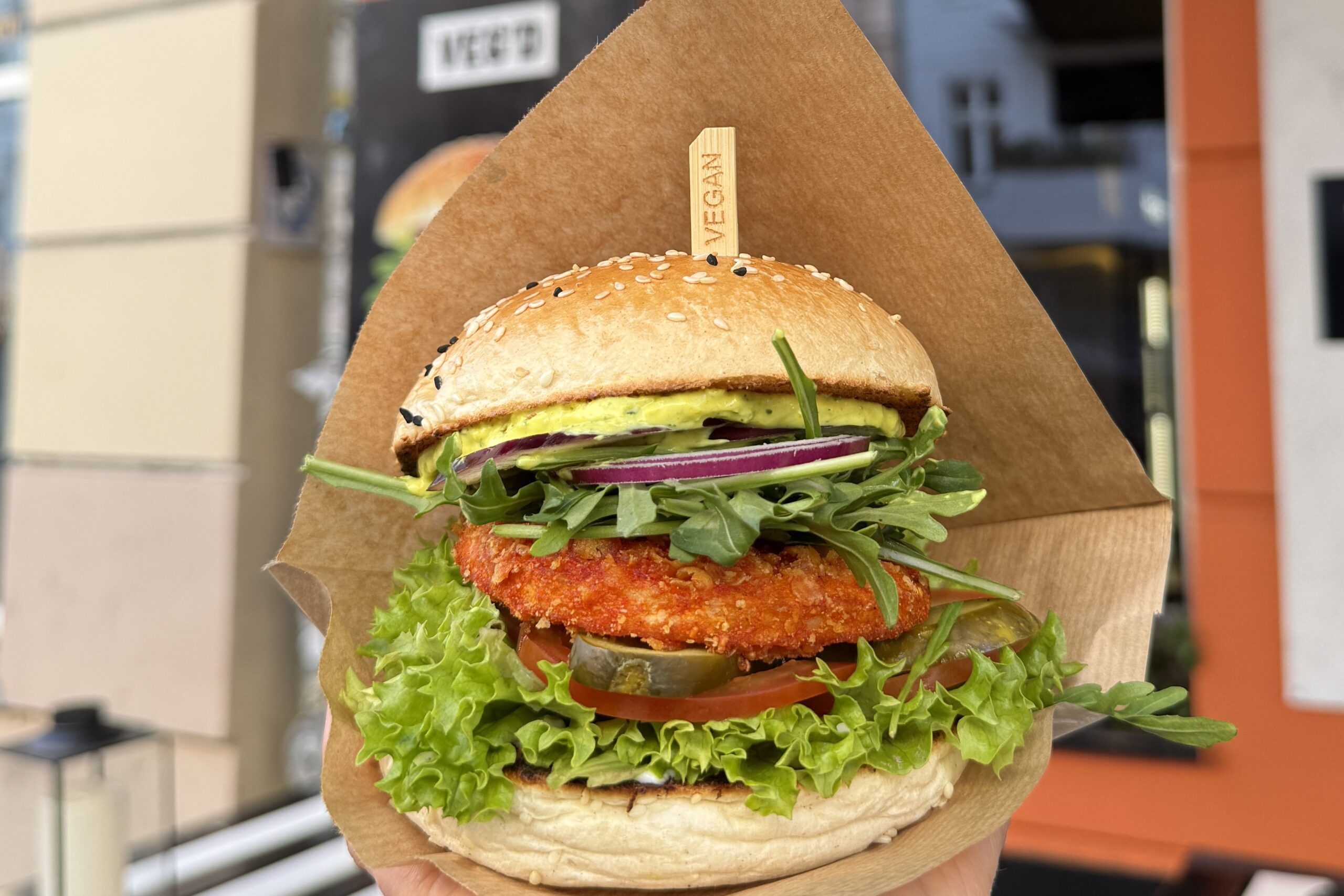
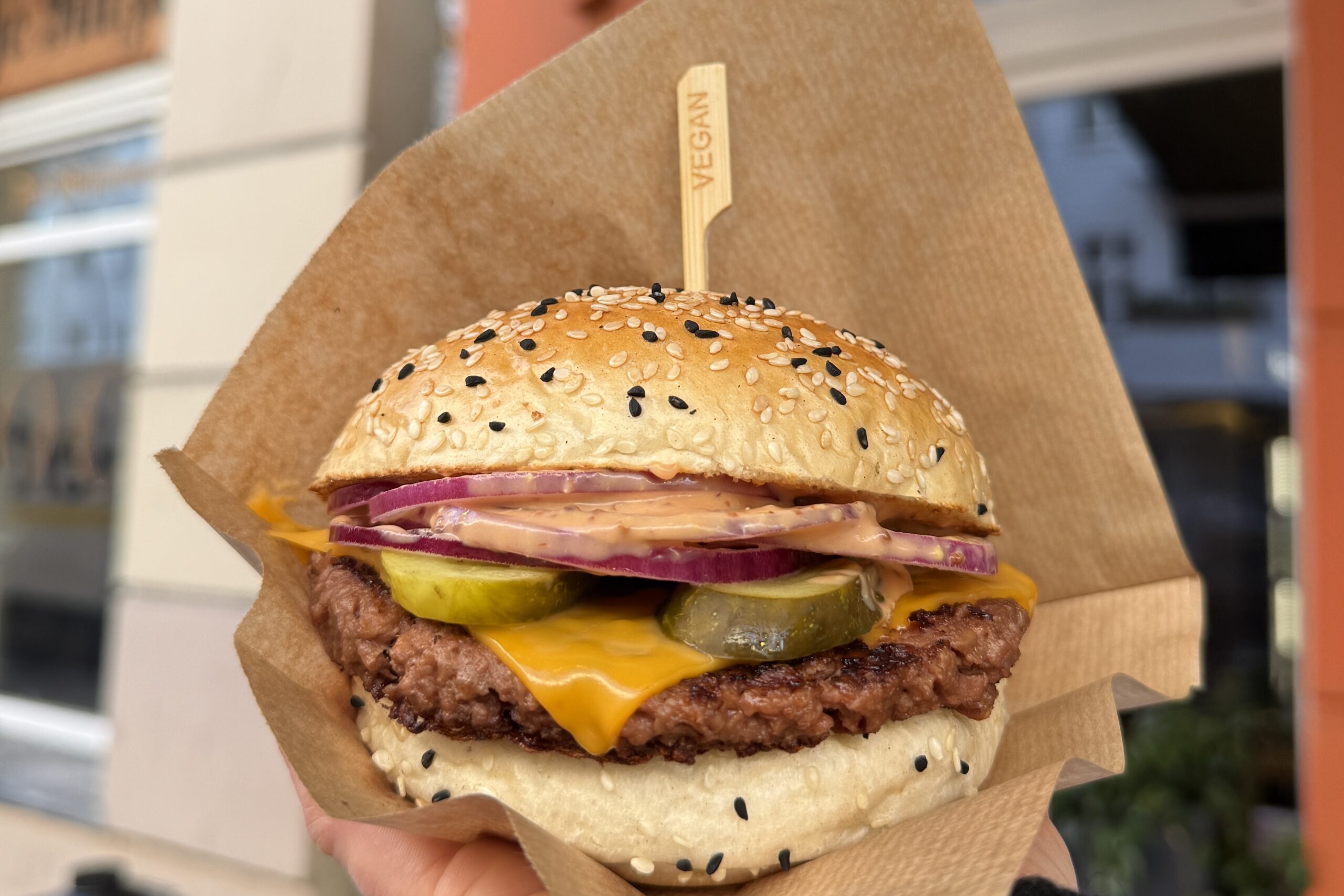
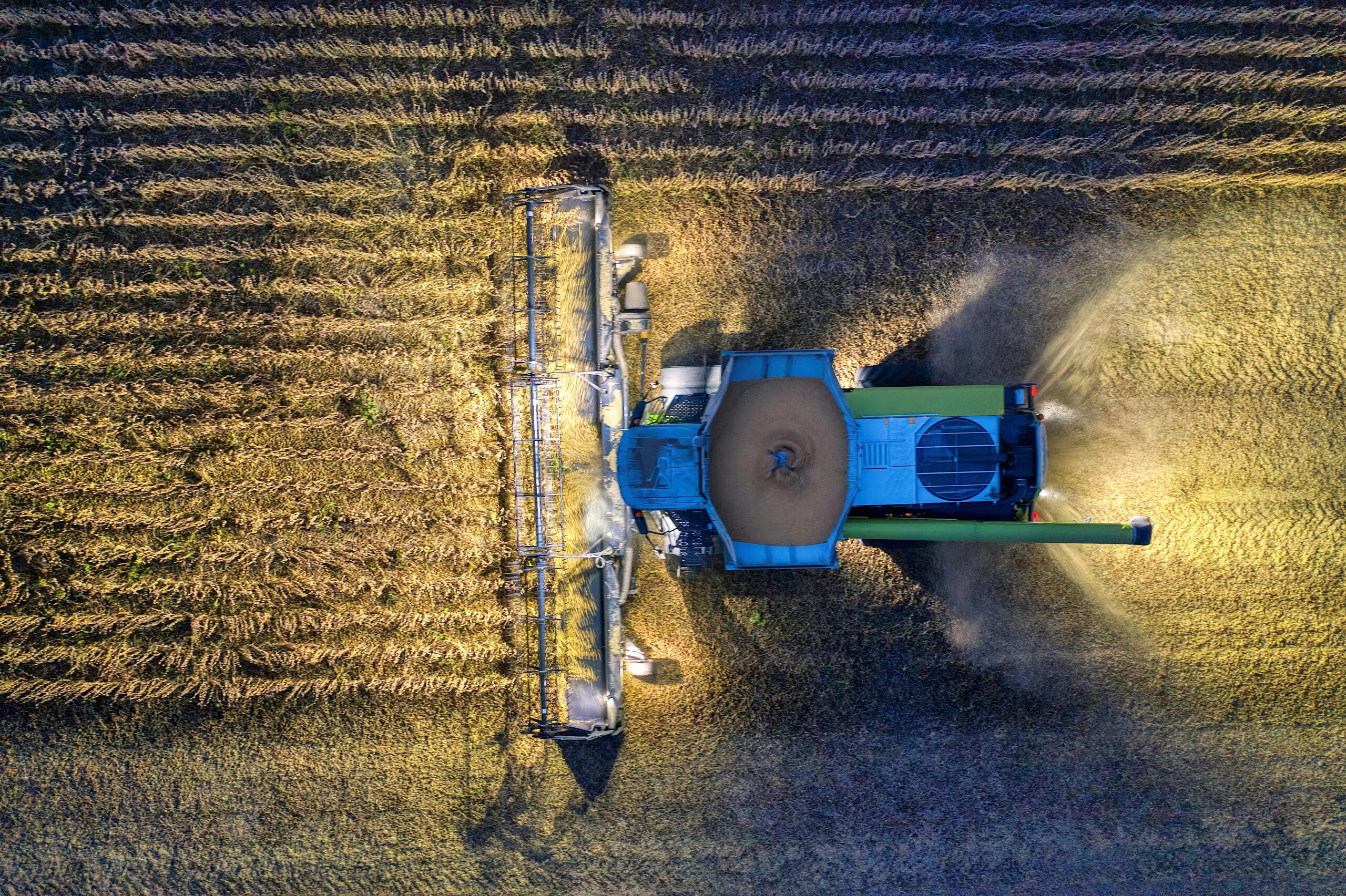
Cows are inefficient at converting feed to beef, needing 5 to 25 times more plant-based feed to make one pound of beef. Even though cow-based protein is easier for humans to digest than plant-based proteins, cows need almost 100 times more land to produce the same protein per gram as plants. In the Midwest U.S., soybeans and other plant-based crops cover large areas of arable land. Like the rest of the world, soybeans mainly feed livestock. Choosing soy-based meat alternatives uses less soy than choosing animal-based beef.
Consumers of soy-based meats and milks could face risks from large-scale soy production. Much of global soy production is genetically modified to survive chemical spraying. Large-scale soy production can introduce disease risks, contaminate the environment, increase vulnerability to shortages due to droughts, and create risks from harvests needing to be eliminated because of soybean plant infections. Many plant crops that humans eat rely on bees for industrial pollination.

Honeybee hives are often moved thousands of miles for commercial farming and sometimes culled as a business practice. Even though worker bees and queen bees spend their lives maintaining hives and breeding, farmed bees often have a lower quality of life. Bees make honey for their nutrition within their hives. Commercial bees are fed less nutritious sugar solutions instead of the honey they produce. Using agave for syrup-based sweeteners instead of honey decreases reliance on these managed colonies.
Syrup from the agave plant is another plant-based option to its nonvegan alternative, honey syrup. Agave plants thrive in arid environments and need less water than other crops. They also grow in low-nutrient soils, so they need minimal synthetic fertilizer.

Synthetic fertilizer (Haber-Bosch) solved global food scarcity and enabled rapid population growth. Current reliance on synthetic fertilizers and livestock has led to environmental consequences, including deforestation and pollution. Plant-based syrups, including maple syrup, rice-based syrup, fruit-based syrup, high-fructose corn syrup, tapioca syrup, agave syrup, and more, can reduce the exploitation of bees. TVD finds consumer-packaged agave syrup easy to use and prefers agave nectar as a direct honey replacement because of its viscosity and solubility.